Freya Schwarz · 21 October 2026
The Cultural Significance of Solitary Towers in Nomadic Desert Societies
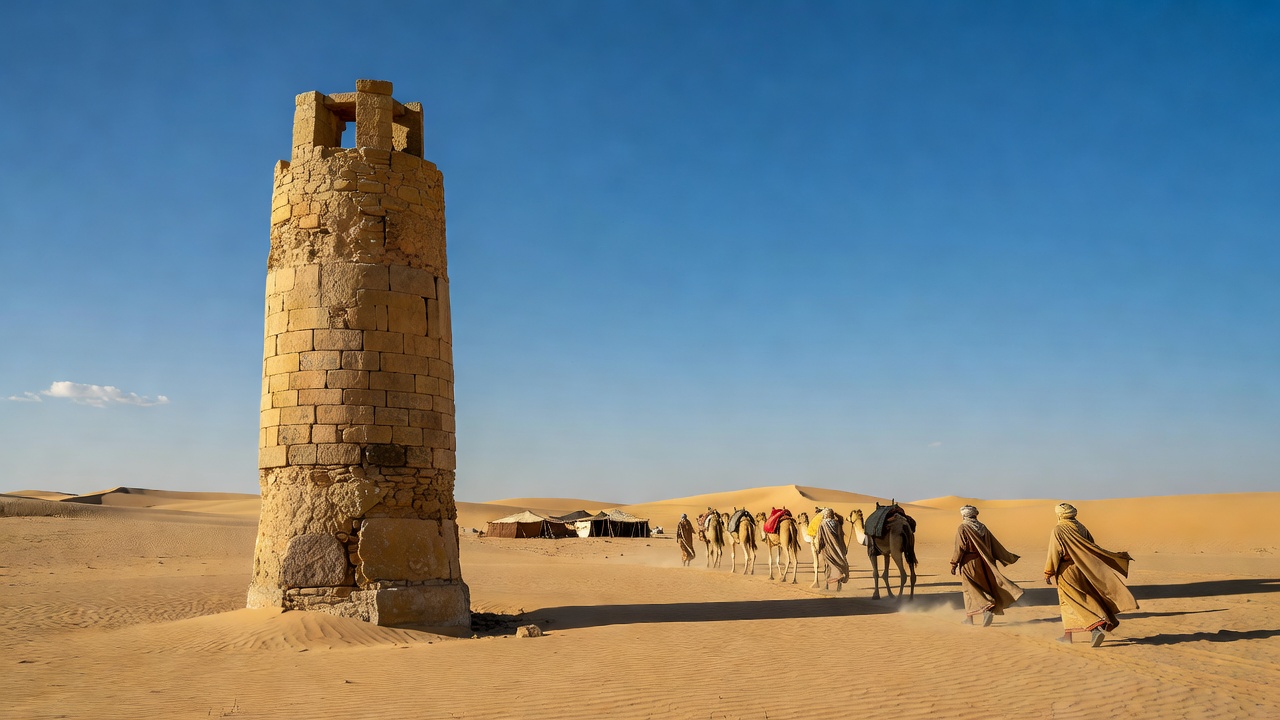
Nomadic desert societies across regions like the Sahara, Arabian Peninsula, and Central Asian steppes have long incorporated solitary towers into their cultural frameworks, and these structures served multiple roles that extended far beyond simple utility. Researchers have documented how such towers functioned as orientation points, signal stations, and gathering sites, while their isolated positions amid shifting sands reinforced communal identity and storytelling traditions. Data from archaeological surveys indicate that construction often aligned with seasonal migration routes, allowing groups to maintain connections across expansive territories where visual landmarks proved essential for navigation and coordination.
Historical Development and Regional Variations
Evidence from excavation sites shows that solitary towers emerged in various forms between the 8th and 15th centuries, adapting to local materials and environmental pressures. In North African contexts, communities built circular stone bases that tapered upward, whereas Arabian examples frequently featured square profiles reinforced with mudbrick layers. Studies conducted by teams at institutions in Morocco and Jordan reveal consistent patterns of reuse, with towers serving successive generations even as political boundaries shifted. Observers note that these buildings often marked water sources or trade junctions, creating networks that supported both economic exchange and kinship ties among mobile populations.
Functional Roles in Daily Nomadic Life
Those who have examined tower remains explain that height provided practical advantages for spotting approaching caravans or weather changes, yet the structures also held deeper social value. Watchers stationed at upper levels relayed messages through smoke signals or reflected light, a system that coordinated group movements across distances where verbal communication proved impossible. Records from traveler accounts compiled in the 19th century describe how families stored surplus goods inside tower chambers during lean periods, turning physical isolation into a form of communal insurance. Such practices highlight the towers' integration into survival strategies rather than their existence as standalone monuments.
Symbolic and Ritual Importance
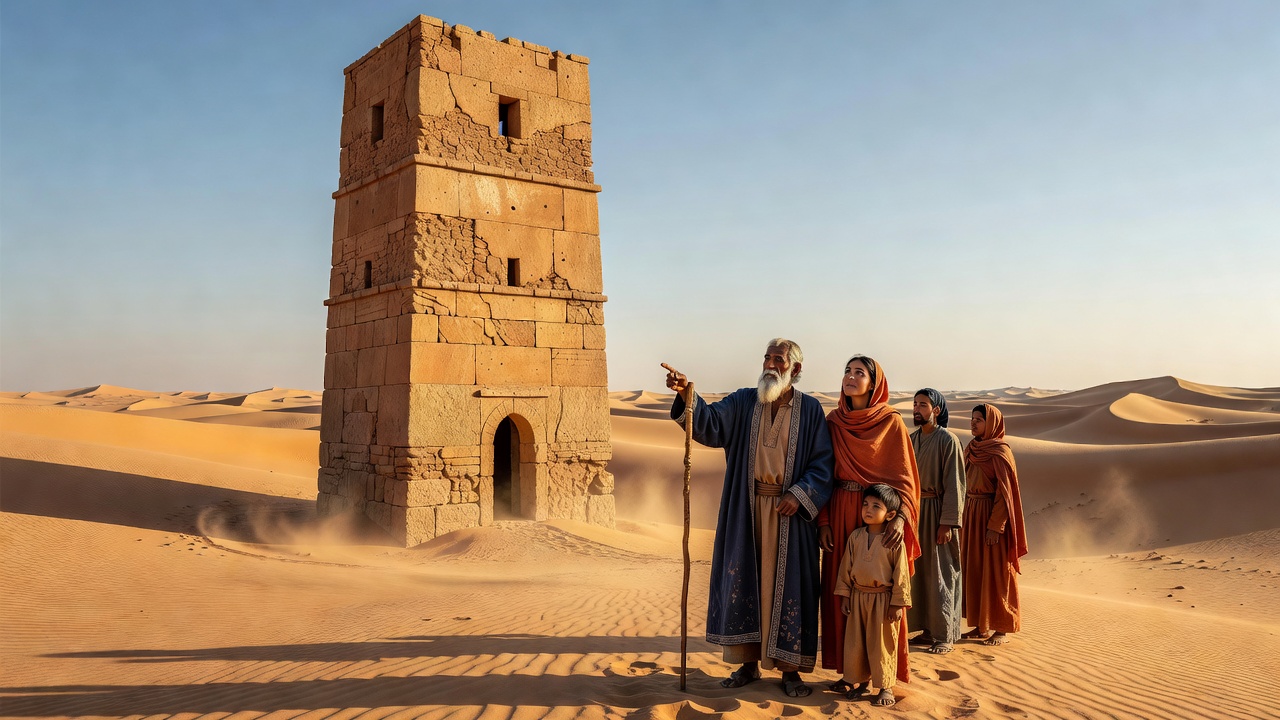
Symbols etched into tower walls frequently referenced celestial events and ancestral lineages, according to analyses performed by anthropologists working with Tuareg and Bedouin informants. Ceremonies marking seasonal transitions or leadership successions occurred at these sites, where the tower's vertical form represented continuity between earth and sky in oral traditions. Data collected during ethnographic fieldwork demonstrates that storytelling sessions held around tower bases transmitted knowledge about migration paths, plant uses, and conflict resolution methods. The physical separation from main encampments amplified the sense of sacred space, encouraging reflection on group history without the distractions of daily camp life.
Interactions with Trade and Communication Networks
Trade routes passing near solitary towers benefited from their visibility, since merchants relied on them to locate reliable rest points amid featureless terrain. Historical documents from regional archives indicate that certain towers doubled as tax collection points during peak caravan seasons, blending economic oversight with cultural oversight. Researchers at universities in Oman and Kazakhstan have mapped these connections, showing how tower placement correlated with known salt and spice pathways. The resulting exchanges introduced new construction techniques and decorative motifs, enriching local building practices over successive decades.
Contemporary Research and Preservation Efforts
Recent investigations continue to uncover details about tower construction methods and their environmental adaptations, with field teams scheduled to present findings at an international symposium planned for October 2026 in Tunis. Satellite imagery combined with ground surveys has allowed specialists to identify previously undocumented sites, expanding the known distribution across multiple desert zones. Conservation programs supported by heritage organizations emphasize community involvement, training local residents to document and maintain remaining structures. These initiatives draw on both traditional knowledge and modern documentation tools to ensure that the towers remain accessible for future study and cultural continuity.
Conclusion
Solitary towers represent an enduring element within nomadic desert societies, where their roles in navigation, storage, signaling, and ritual have shaped collective memory and practical adaptation. Research compiled across continents demonstrates consistent yet regionally distinct expressions of these functions, while ongoing work through 2026 promises additional insights into their construction and significance. The structures continue to offer tangible connections to past mobility patterns, reminding observers of the sophisticated systems developed by communities navigating challenging landscapes.